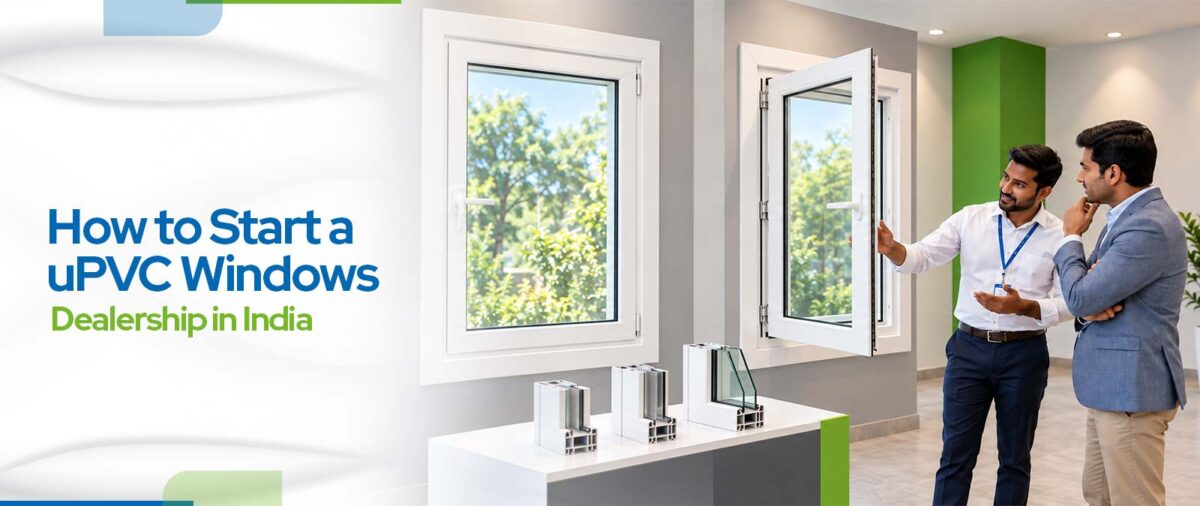
The uPVC windows business has become an option for people looking to enter the building materials and home improvement market. A dealership allows you to sell windows and doors without setting up a complete manufacturing business of your own.
However, starting a dealership needs proper planning. You have to look at the showroom, product samples, staff, working capital, installation and marketing. The amount required will depend on your location, business setup and the terms offered by the manufacturer.
It is also important to think about how you will get customers. Depending only on showroom walk-ins may not be enough. Builders, architects, interior designers, contractors and homeowners can all be potential customers.
What do you need to start a uPVC windows dealership?
The first step is to understand how you want to run the business.
Some dealers mainly focus on sales and customer coordination. Others may also handle site measurements, installation and other work. Your costs and manpower will depend on the model you choose.
You may need a display space where customers can see the products. You will also need some samples of profiles, glass, colours and hardware. Apart from this, you should keep enough working capital for day-to-day expenses and customer orders.
There can also be costs for staff, travel, marketing and business registrations.
So, there is no fixed investment amount that applies to every dealership.
Main costs to consider
| Cost |
What You May Need |
| Showroom or display space |
Rent, basic interiors and displays |
| Product samples |
Profiles, windows, glass, hardware and colours |
| Staff |
Sales, measurement and installation support |
| Working capital |
Business expenses and order-related payments |
| Marketing |
Local advertising, online promotion and printed material |
| Site visits |
Travel for measurements and customer meetings |
| Registrations |
GST and other applicable registrations |
Before taking a dealership, ask the manufacturer about any deposit, minimum order, display requirement or other charges. Also check the payment terms properly.
How to start the dealership
Check the market in your area
First, look at the demand in your city or nearby areas.
Visit local construction sites and speak to builders, contractors, architects and interior designers. Try to understand what type of windows are being used and which brands are already available.
You should also check the prices and products offered by other dealers. This will give you a better idea of the market before you invest.
The manufacturer you choose will have a major role in your business.
Check the product range, quality, available colours and designs. Ask about training, technical support, delivery, warranty and service.
Do not decide only because one company is offering better commercial terms. A product may look good on paper, but you also need proper support after taking orders.
Also Read: 20 Best uPVC Door Designs for Different Areas of Your Home
Understand the dealership terms
Before signing the agreement, ask questions about the things that will affect your business.
For example:
- What is the initial investment?
- Is there any deposit?
- Is there a minimum order?
- What are the payment terms?
- Who handles installation?
- How are service complaints handled?
- What support is provided to dealers?
- Are there any territory conditions?
- What are the delivery charges?
Get important terms in writing so there is no confusion later.
Set up a simple display
A clean display area with a few important window and door options can give customers an idea of the products. Keep samples of commonly requested profiles, glass, colours and hardware.
You can also keep photographs of completed projects. Customers usually find it easier to understand the product when they can see actual installations.
Learn the product and measurement process
If you are selling windows, you should know the basic product details.
You should also understand how measurements are taken at the site. A wrong measurement can cause problems during manufacturing and installation.
If you have an installation team, make sure they know the correct installation process. If installation is handled by another team, understand their responsibilities clearly.
How to get customers
Getting the first few customers is usually one of the biggest challenges for a new dealer.
You can start by meeting people who are already connected with construction and home renovation.
Meet builders and contractors
Builders and contractors can be useful contacts, especially if they handle multiple residential projects.
Visit local projects and introduce your business. Share your product details and explain what you can provide.
Connect with architects and interior designers
Architects and interior designers are often involved when customers select windows and doors.
Try to build a good working relationship with them. Give them product information, samples and quotations when required.
Reach homeowners directly
Homeowners can also be approached through local advertising, Google Business Profile, social media and referrals.
Keep photographs of your completed work online. A person looking for windows will usually want to see the actual product before contacting a dealer.
Ask existing customers for referrals
If a customer is happy with the product and installation, ask them to refer you to friends or relatives who may be constructing or renovating a house.
Referrals can become an important source of enquiries over time.
How to run the business properly
Getting an order is only one part of the business. You also need to make sure the order is completed properly.
Take accurate measurements and confirm all product details before placing the order. Make sure the customer knows what is included in the quotation.
Do not promise a delivery date without checking with the manufacturer or production team.
Keep customers updated if there is a delay or change. It is better to tell them early than leave them waiting without information.
Installation also needs attention. Even if the product is good, poor installation can result in complaints.
After the work is completed, check with the customer if everything is fine. This simple follow-up can help in getting referrals later.
How to grow the dealership
Once you start getting regular enquiries, focus on the areas that are bringing you business.
Keep a record of enquiries and quotations. You can check where the leads are coming from and which enquiries are converting into orders.
Build your relationship with local builders, architects and interior designers. Stay in touch with them even when there is no immediate project.
You can also slowly add more products based on what customers are asking for. For example, a dealer who mainly sells windows may later add uPVC doors or other related products, depending on the brand and dealership arrangement.
Do not expand too quickly. First make sure your basic sales, installation and service process is working well.
Common mistakes to avoid
Choosing a brand only because of price
Price is important, but it should not be the only factor.
Check the product, service, warranty, delivery and support before making a decision.
Not checking the site properly
Wrong measurements can create unnecessary problems and extra costs.
Have a proper process for site measurements and check the details before placing an order.
Taking too many orders on credit
Long payment periods can create cash-flow problems, especially for a new business.
Be clear about payment terms before starting the work.
Spending too much on the showroom
A costly showroom does not automatically bring more customers.
Start with a practical setup and improve it as the business grows.
Promising customers something you have not confirmed
Do not confirm delivery dates, prices or product availability without checking.
A small mistake at the beginning can become a bigger problem later.
Ignoring service after installation
The customer relationship does not end after installation.
If there is a genuine service issue, respond properly and try to close the complaint quickly. Good service can bring repeat orders and referrals.
Conclusion:
A uPVC windows dealership needs more than an attractive showroom and good products. You also need to manage enquiries, measurements, orders, installation and customer service properly.
Before starting, understand your local market and calculate your costs. Compare manufacturers and read the dealership terms carefully.
Once the business starts, focus on getting the basics right. Good products, correct measurements, timely communication and proper installation can help you build a good reputation in the local market.
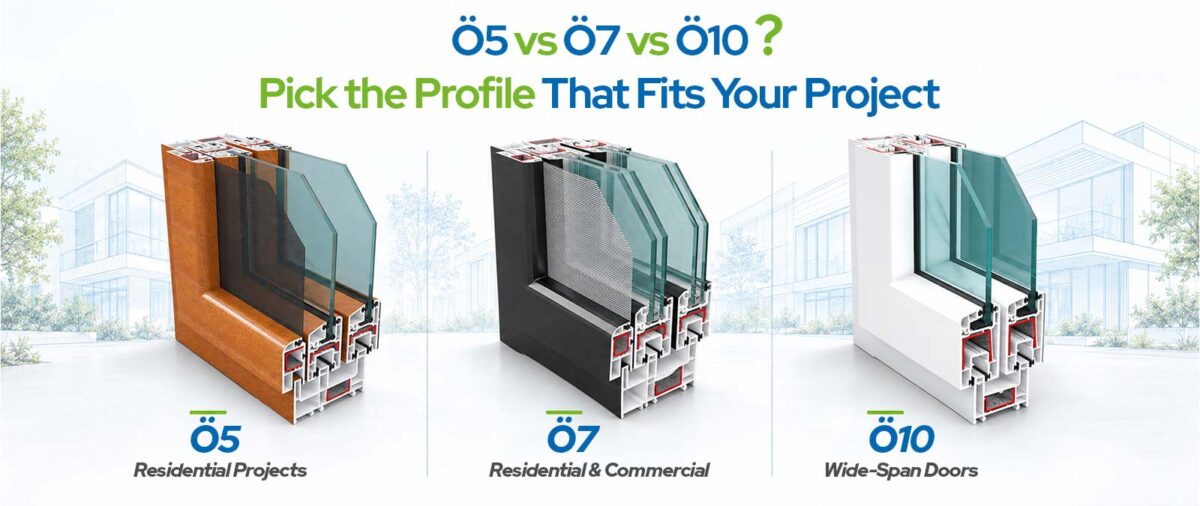
Looking for a good uPVC profile manufacturer, get in touch with Okotech to start a dealership. Okotech offers high-performing lead-free uPVC profiles to help you gain customers’ trust.
Frequently asked questions
How much money is needed to start a uPVC windows dealership?
There is no fixed amount. The cost depends on your city, showroom, samples, staff, working capital, marketing and the dealership terms offered by the manufacturer. The best option is to prepare your own cost estimate after discussing the terms with the manufacturer.
Is a uPVC windows dealership profitable?
It can be, but there is no fixed profit for every dealer. Your result will depend on the number of orders, selling price, margins, staff costs, installation costs and how quickly you collect payments.
Do I need experience to become a dealer?
Previous experience in construction, windows or sales can be useful. But you also need to learn the product, measurement process, installation and customer handling. Many of these things can be learned through proper training and practical experience.
Do I need a big showroom?
No. A large showroom is not compulsory for every dealership. You can start with a suitable display space and expand later if the business requires it.
What should I ask the manufacturer before taking a dealership?
Ask about the investment, deposit, product range, payment terms, minimum orders, delivery, training, warranty, installation and after-sales service. Also check whether there are any territory or other dealership conditions.
How can I get my first customers?
Start with your local network. Meet builders, contractors, architects and interior designers. You can also reach homeowners through local online listings, social media, referrals and project photographs.