Windows are an important opening of any home. They let in natural light, allow fresh air, and also keep the home secure. Also, a good window design enhances the curb appeal of the home and improves energy efficiency. There are many types of windows available today to suit different requirements and styles. But what stands out from the other window types is the sliding windows. They do not swing open inwards or outwards, but they slide on the track, saving space. Sliding windows come in different designs that fulfill functional and aesthetic purposes.
Here, we will look at what sliding windows are, why they are a great choice for Indian homes, and sliding window design ideas to consider.
What Is a Sliding Window?
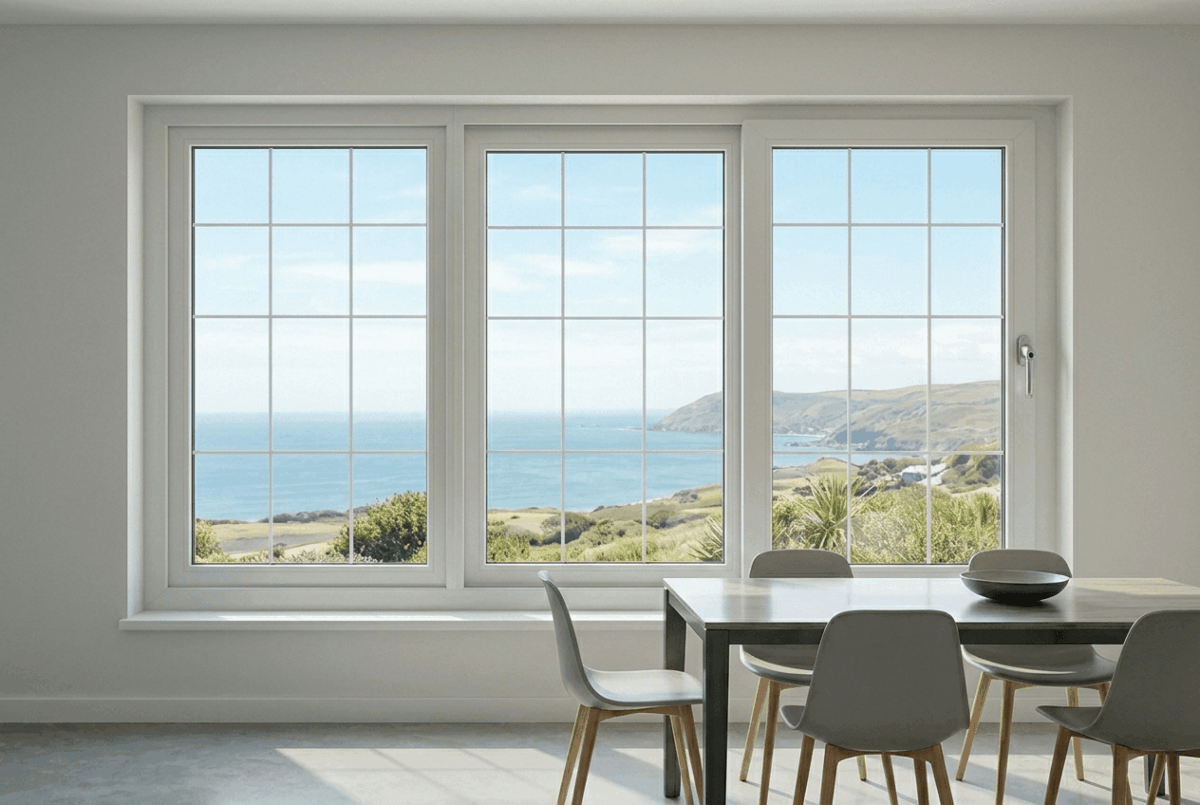
A sliding window is a type of window featuring one or more sashes or panels that slide horizontally along tracks fixed at the top and bottom of the frame. Unlike casement windows, they do not protrude inward or outward and only move sideways. So they are perfect for areas where there is limited space outside, such as a kitchen or balconies. Sliding windows come with either a single sash or a double sash. They feature small rollers or carriages at the bottom to glide smoothly. Some models come with a top-hung option, where the panels hang from a track at the top.
Some common types are pocket doors, sliding glass windows, centre-opening designs, and bypass windows. Each of these gives a clean look with easy operation.
Benefits of Sliding Window Designs for Indian Homes
Sliding windows can handle Indian weather conditions for a number of reasons. Here is why so many are choosing them:
Improved Ventilation and Light: Sliding windows can be opened wide to allow maximum airflow. The large glass panels let in natural light, which makes rooms feel brighter.
Space-Saving Operation: As they slide sideways instead of swinging open, they do not take up any extra space.
Durability and Low Maintenance: uPVC frames of slider windows do not rust, rot, or corrode. They do not require regular cleaning, and it can be just using a cloth to wipe off dust.
Enhanced Security: They come with multi-point locking systems and can also be fitted with grills or toughened glass.
Aesthetic Appeal: Available in a wide range of colours, glass types, and frame materials to improve aesthetic appeal.
Best Frame Materials for Sliding Window Designs
The frame holds the entire window together, so choosing the right material is very important. Here are the three most common options:
uPVC / Vinyl
uPVC or Unplasticised Polyvinyl Chloride is the popular frame material for sliding windows. It is cost-effective, lightweight, and durable. This material does not absorb moisture, rust, and is termite-proof.
Fiberglass
Fiberglass frames are stronger and offer excellent thermal performance. They do not expand or contract much with temperature changes. Fiberglass is also very low maintenance and can be painted in any colour.
Wood
Wooden frames give a timeless and traditional look. Teak is a very popular choice in India because of its natural beauty and durability.
Glass Options for Sliding Window Designs
The glass option affects comfort, safety, and energy efficiency. There are several glass options available to suit different room types. Clear float glass or low-E glass is the best choice for living rooms and bedrooms, while frosted or tinted glass is a good choice for living rooms and bedrooms.
Tempered glass is mostly recommended for sliding windows in general because when it breaks, it shatters into small, rounded pieces rather than sharp shards. Laminated glass is another safe option that holds together even when broken. Double-glazed glass is good for homes located on main roads or busy areas,
14 Sliding Window Designs for Indian Homes
There are several sliding window design options to choose from. Here, let us have a look at the top 14 design ideas.
1. uPVC Sliding Window Design
uPVC sliding windows combine durability and affordability, and offer a modern look. uPVC sliding windows are available in classic white, woodgrain textures, and a variety of colours. The woodgrain finish has become very popular in recent times.
2. Floor-to-Ceiling Sliding Window
Floor-to-ceiling sliding windows have become a symbol of modern living. These tall windows extend from the floor to the ceiling, creating a seamless connection between the indoors and outdoors. For corner designs, two sets of floor-to-ceiling windows can be arranged at a 90-degree angle to eliminate the corner column, giving an incredible panoramic view. When integrated with the smart glass option, the glass can be changed from transparent to opaque at the touch of a button.
3. Sliding Window Grill Design
Adding a grill to a sliding window gives it a more traditional, attractive look, and it also helps to secure the home. Modern sliding window grill designs include options, such as a boxed grill, a minimalist bar, and invisible grills. Geometric and parametric patterns are also gaining popularity.
4. Tinted Glass Sliding Window
Tinted glass sliding windows are a smart choice for homes because it reduces glare, control heat gain, and add a stylish look to the exterior. Some of the popular tint colour options include grey, smoke, bronze, coffee, and blue.
5. Frosted Glass Sliding Window Design
Frosted glass is used when privacy is important. It is used in bathrooms, bedrooms, or rooms that face a busy street or a neighbour’s window. The frosting process blocks the view from outside. Minimalist frosted, decorative etched, and patterned frosted glass add artistic value to the window. When combined with wooden frames, frosted glass offers a warm and traditional feel.
6. Corner Sliding Window Design
Corner sliding windows are one of the most dramatic design choices available today. By placing windows on two adjacent walls meeting at a corner, you create a panoramic view that transforms the feel of the entire room. Glass-to-glass corner windows are similar but use a thin structural element at the corner for added safety. Pocket sliding designs allow the glass panels to slide back into the wall, completely opening up the corner.
7. Sliding Window Design with Mesh
In India, mosquitoes, insects, and dust are a real concern, especially during the monsoon and summer months. Sliding windows with integrated mesh or insect screens allow you to keep the window open for fresh air without letting insects or dust inside. High-security diamond mesh, made from heavy-gauge stainless steel, provides protection against insects as well as small animals and intruders.
8. Sliding Window Design with Ventilators
Sliding windows with integrated ventilators offer a smart solution by combining a main sliding panel with a smaller ventilation section that can be opened independently. Top-fixed louver designs have small adjustable louvres at the top of the window frame that can be opened to let in fresh air even when the main panel is closed. Tilt-and-slide systems allow the window to tilt inward at the top for ventilation without fully opening, which is very useful during light rain. Sliding ventilators with security grills combine both fresh air and safety, making them ideal for rooms where the window needs to be left partially open overnight.
9. Bay Window Design
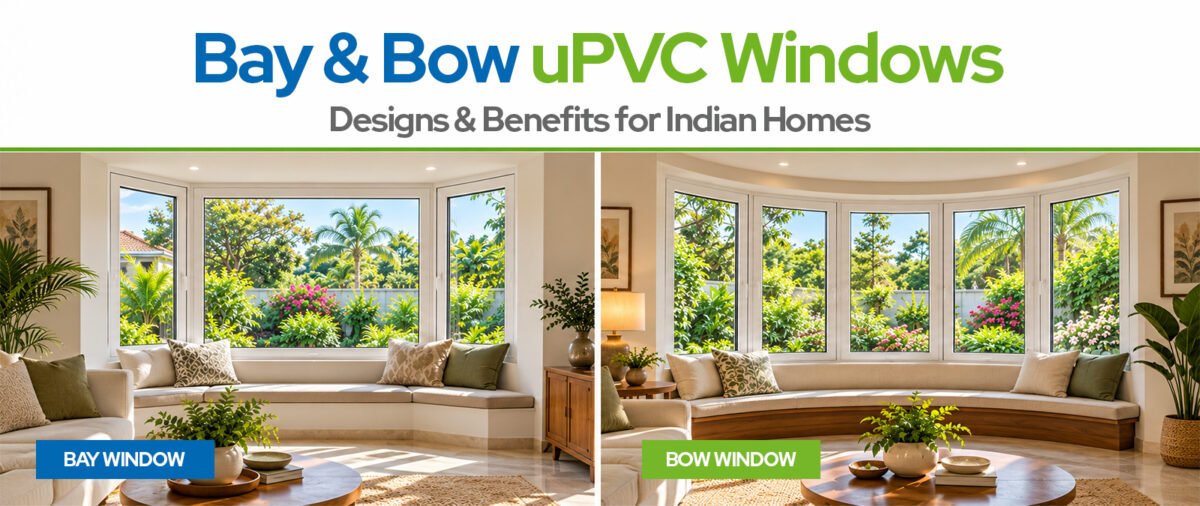
Bay windows extend outward from the main wall of the home, creating a small alcove inside that can be used as a reading nook, a seat, or simply a display area. Canted bay windows are the most classic type, with two angled side panels and one large central panel. Box bay windows have two 90-degree side panels, making the alcove larger and more rectangular. Oriel bay windows are supported by a bracket or corbel rather than resting on the ground, so they can be used on upper floors.
Also Read: uPVC Doors Price in India: Factors, Types & Cost Comparison
10. Sliding Window with Combination Frames
Combination frame windows mix two or more window types in a single unit, offering both fixed views and openable sections.
Picture-over-slider designs place a large fixed glass panel at the top for a clear view and a sliding panel at the bottom for ventilation. Fixed-slider-fixed designs have fixed panels on either side of a central slider, creating a wide window with a movable centre section. Transom-over-slider designs add a small fixed or louvered panel above the main sliding window, improving both ventilation and light.
11. Wooden Frame Sliding Window Design
Wooden frame sliding windows bring a natural warmth and richness to any room. They are especially popular in homes that have a traditional, classical, or nature-inspired interior design. The texture and grain of real wood is something that no synthetic material can fully replicate.
Frosted glass with wooden frames creates a beautiful combination of privacy and warmth, perfect for bedrooms and bathrooms. Teak wood modern frames offer a premium look with deep grain and rich colour, often finished with clear lacquer to show off the natural beauty of the wood. Minimalist sleek frames use straight-edged teak or hardwood profiles for a more contemporary look
12. Slim-Profile / Frameless Sliding Window Design
For homeowners who want to maximise natural light and create a seamless transition between inside and outside, slim-profile and frameless sliding windows are the ultimate choice. These windows are designed to minimise the visual presence of the frame so that the glass takes centre stage.
Concealed tracks and frames are hidden within the wall structure so that from the inside, the window appears almost frameless. Flush thresholds eliminate the step or bump at the bottom of the window frame, creating a completely flat floor that flows smoothly from inside to outside. This is particularly popular in homes with polished concrete or large-format tile flooring.
13. Sliding Window Design for Small Rooms
Small rooms need windows that bring in as much light as possible while taking up minimal space in the wall. Sliding windows are already a great choice for small rooms because they do not need swing clearance, but some designs work even better than others.
Two-lite sliders, which have just two panels that slide past each other, are simple and effective. Vertical sliders work in very narrow openings where a horizontal slider would not fit. Single-pane sliders have just one moving panel, which reduces the frame width and maximises the glass area.
14. Smart / Automated Sliding Window Design
Smart home technology has now reached windows too. Automated sliding windows can be opened and closed remotely using a smartphone app, a wall switch, or voice commands through smart assistants like Amazon Alexa or Google Home. These are a great choice for hard-to-reach windows, elderly residents, or simply for the convenience of modern living.
Vertical or guillotine windows work on a motorised system where the glass panel slides upward into a concealed housing above the opening. Smart automation and sensors can detect rain or strong wind and automatically close the window to protect the interior.
Automatic privacy glass uses a technology called electrochromic or PDLC film that allows the glass to switch from clear to frosted with an electric signal. This is particularly useful for bathrooms or street-facing rooms where privacy is needed at certain times of the day.
Sliding Window Design Ideas by Room
For Living Room
The living room is the heart of the home, and the window design must be impressive and practical. Floor-to-ceiling windows are a top choice for living rooms, as they provide a beautiful view. Slim frames in black or dark grey are popular options against white or light coloured walls. Also, wooden and wood-finish frames enhance the look.
For Bedroom
For bedrooms, slim-frame windows give a clean look and make the bedroom feel calm and peaceful. Black frame windows work well in modern bedrooms with dark accents or industrial-style decor.
Frosted glass sliders are a good choice for bedrooms facing a street or neighbouring buildings.
For Kitchen
Kitchen windows need to be practical because they should provide good ventilation to remove cooking smells and steam. So minimalist horizontal sliders are the most common choice for kitchens as they can be operated even with a single hand when cooking.
A pass-through window design can open onto a dining area for serving food, making life easy for women. Another smart functional addition includes a window frame equipped with a ventilation slot for a kitchen exhaust fan.
For Bathroom
Frosted or tinted glass is a great choice for any bathroom sliding window. Integrated blinds offer the flexibility of a clear view and privacy when needed. This does not require any external blind fittings that tend to collect moisture.
For Balcony
Frameless glass systems, where toughened glass panels slide on a single bottom track with minimal top guidance, offer a modern look. Fixed-sliding setups mix permanent glass walls for stability with moving panels for fresh air, while tilt-and-slide systems use an angled opening to let air in but keep rain out through basic gravity and clever mechanics.
How to Choose the Best Sliding Window Design for Home
Choosing the right house sliding window design can be made easy by being aware of a few factors. So, here are a few important factors to keep in mind:
Frame Material: Choose uPVC for a budget-friendly option. Consider wood only if you are willing to spend on repair and painting.
regular.
Glass Type: Always use tempered or laminated glass for safety and security. Go for tinting or frosting based on the privacy and sunlight.
Functionality and Space: Multiple factors must be taken into account, like how much ventilation you need, the wall space you need, and other factors.
Security: Consider adding grills, security mesh, or multi-point locks if your home is located on lower floors in an apartment or ground floor in an independent house.
Room Type: Window requirements for bedrooms are very different from those for a kitchen or bathroom window. So, try to match the window design to the room’s needs.
Weather Considerations: Choose windows with good drainage and water-sealing if you live in areas where rainfall is more. In coastal areas, you have to choose glass and select a material that can handle heat.
Also Read: Top 10 Features and Benefits of uPVC Casement Windows
Upgrade Your Home with Okotech’s uPVC Sliding Windows
Are you looking for high-quality sliding windows that combine style and durability? Then Okotech’s uPVC sliding windows are worth considering because they are engineered to last long. The frames are resistant to moisture, corrosion, and UV rays, so they retain their look for years without much upkeep. Contact Okotech today for a consultation and guidance.
Takeaway
Sliding windows are a practical and stylish choice for any room. Whether you need floor-to-ceiling panels for the living room, frosted glass for the bathroom, or uPVC designs for the kitchen, there’s an option for every space.
For your next home upgrade, contact Okotech for expert help in guiding and installing the perfect windows.
Frequently Asked Questions
Q1. Which sliding window design is best for small rooms?
Single-pane sliding windows are perfect for small rooms because they slide horizontally to save space and feature large glass panels, allowing the flow of natural light.
Q2. What is the best material for a modern sliding window design?
uPVC and fiberglass are the best material choices for sliding windows. uPVC is affordable and low-maintenance, while fiberglass provides superior strength and insulation.
Q3. Can I add a grill to my sliding window?
Yes, a grill can be added to the sliding window. Iron or steel grills are the most common options to enhance security and the look of the window. Grills can also be customised according to requirements.
Q4. What is the average cost of a sliding window design installation in India?
Sliding window costs depend on the material, glass type, and size. When they are combined with double glazing, extra tracks, or integrated grills, the price will increase. Also, the price changes with the complexity of the installation.
Q5. Are uPVC sliding windows suitable for Indian weather?
Yes, uPVC sliding windows are perfect for Indian weather conditions. They are designed to handle heat, resist rust, corrosion, and humidity. The frames do not warp or crack in the heat and do not absorb moisture during the monsoon.
Q6. What type of glass should I choose for my sliding window designs?
For sliding windows, use tempered or laminated glass for safety. Double-glazing blocks noise and heat, while Low-E glass maintains a stable temperature inside. For privacy, choose frosted or tinted options.
Q7. How do I maintain sliding windows to keep them working smoothly?
To keep sliding windows smooth, clean the tracks with soapy water. Or just use a cloth to remove dirt and dust. Apply a silicone-based lubricant to the tracks and rollers twice a year for the best performance.