Windows and doors are the most used parts of any home, but they are often neglected during construction or renovation.
Most homeowners focus on tiles, kitchen layouts, and paint colors. But when it comes to window selection, budget pressures force homeowners to go with cheaper options. What also matters is window and door material like wood, uPVC, and others.
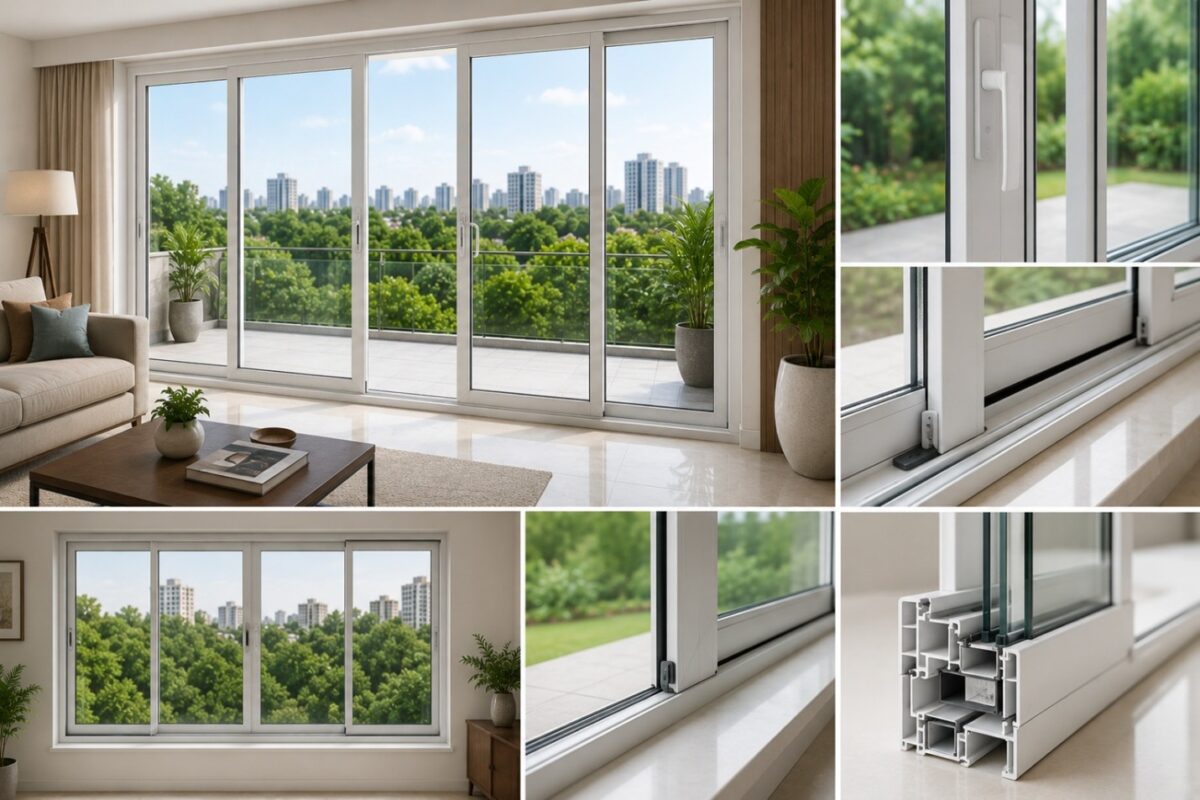
uPVC sliding doors and windows offer practical solutions for modern Indian homes because they combine thermal performance, low maintenance, and modern design into a single system.
According to building energy studies, windows and doors account for up to 25–30% of a home’s heat gain during Indian summers. So a wrong choice not only affects the appearance of your home but it will also affect the comfort and maintenance.
This write-up covers uPVC sliding doors and windows benefits, what to look for, and why these products are better options to traditional materials.
What Are uPVC Sliding Doors and Windows?
uPVC sliding doors and windows are made from unplasticised polyvinyl chloride (uPVC), which is a rigid, chemical-free material. These uPVC systems feature a horizontal sliding mechanism that allows panels to glide along a track and they do not swing open on hinges.
Sliding systems do not require space to open, making them a perfect choice for compact rooms, balconies, apartments, and space constraint areas.
uPVC was introduced in European construction in the 1950s and since then it has become a popular choice for residents across the globe. In India, it gained popularity in the last decade because of its long-term value.
Key Features of uPVC Sliding Systems
Understanding the features of uPVC sliding systems helps in understanding why they are a preferred choice.
| Feature |
Detail |
| Multi-chamber profile design |
Traps air inside hollow chambers to reduce heat and sound transfer |
| Lead-free formulation |
Safe for residential use and compliant with health and safety standards |
| Powder-coated or laminated finish |
Resists fading, UV damage, and surface staining |
| Stainless steel or uPVC rollers |
Enables smooth, low-friction sliding operation |
| Multi-point locking hardware |
Secures the panel at multiple contact points for enhanced safety |
| Weather-seal gaskets |
Prevents air and water infiltration at panel edges |
| Compatibility with mesh and grills |
Supports optional insect mesh, mosquito nets, and decorative grills |
Benefits of uPVC Sliding Doors and Windows
Excellent Thermal Insulation
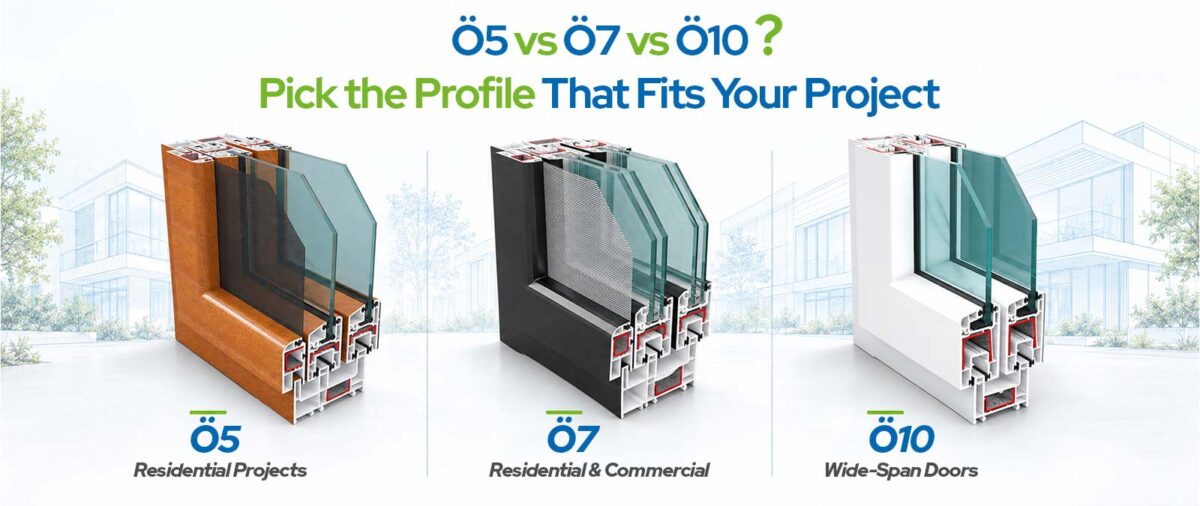
uPVC is a poor conductor of heat, so they do not transfer much heat like other materials. These a uPVC profiles contain multiple air chambers, which acts as a natural insulator. This slows down the movement of heat between indoors and outdoors.
During summers, cities like Hyderabad, Delhi, and Nagpur cross 40°C, so this insulation reduces the load on air-conditioning systems. This result is a cooler indoor environment with less power consumption.
According to the Bureau of Energy Efficiency (BEE), improving insulation is necessary to cut energy consumption costs.
Superior Sound Insulation
In Indian urban cities, noise from traffic, construction activity, and neighborhoods are common concerns. uPVC systems when combined with double or triple-glazing glass reduced sound transmission by 30-45 decibels. Glazing units and multi-chambered profiles together restrict sounds to pass in.
Homes located close to highways, railways and busy roads benefit the most with these sliding systems.
Also Read: Different Types of Soundproofing Doors
Low Maintenance
uPVC sliding doors and windows need very little maintenance, as they can be cleaned with wet soft cloth. They also do not need regular cleaning; cleaning occasionally is enough to keep them in proper shape for years. These systems also do not require repainting or varnishing and last for several years. Also, the rollers and tracks require occasional lubrication.
Okotech uPVC sliding profiles are engineered with German technology to ensure dimensional consistency across every batch.
High Durability and Long Lifespan:
uPVC profiles are durable because they can withstand stress, weather, and UV exposure. A quality uPVC profile manufactured by a reputable company lasts 20–30 years. This is because the uPVC material is resistant to rust, corrode, warp, or rot.
Okotech profiles are tested in-house at every production, ensuring the 20–30 Year lifespan claim is backed by quality control.
Weather Resistance for Indian Conditions
uPVC window and door profile manufacturer engineers the material to suit Indian climate conditions. These fenestration systems handle coastal humidity, salt-laden air, rains, monsoons and harsh sun very well. Also, EPDM (Ethylene Propylene Diene Monomer) gasket seal protects window and door systems from water infiltration and dust.
Enhanced Features – Grill & Mesh
uPVC windows and doors feature multi-point locking hardware to engage the frame at several contact points, making forced entry difficult. These uPVC profiles are integrated with galvanised steel and come with grill options to add protection. Another highlight is that they can be integrated with mesh to prevent entry of mosquitoes, insects and lizards.
Long-Term Cost Saving
uPVC serves as a long-term saving option because of these reasons – lower electricity bills, zero refinishing or repainting costs, and fewer replacements.
Sleek and Modern Aesthetic Appeal
uPVC sliding systems come in slim profiles to improve the aesthetic appeal and can be operated with ease. They are available in a range of color and lamination finishes, including golden oak, walnut, rustic oak, dark oak, and mahogany. This allows homeowners, architects and fabricators to suit their interior requirements.
Eco-Friendly and Recyclable Material
uPVC is a recyclable material and does not leach chemicals. For example, Okotech uPVC profiles are 100% lead-free, as they are made using Calcium-Zinc (Ca-Zn) stabilizers, which is internationally recognized as the safest alternative to lead. This is increasingly specified in green building projects across Europe and India.
Customization Options
uPVC sliding windows and doors are highly customizable, allowing homeowners and architects to accommodate various opening sizes. Customization is also available in hardware like handles, locks, rollers. So these uPVC sliding systems are suitable for apartments, villas, independent houses, commercial buildings and others.
uPVC Sliding vs Traditional Wooden Doors and Windows: Quick Comparison
| Feature |
uPVC Sliding |
Wooden Frame |
| Thermal Insulation |
Excellent |
Good |
| Sound Insulation |
Good to Excellent |
Moderate |
| Maintenance |
Minimal |
High |
| Lifespan |
20–30 Years |
10–20 Years |
| Weather Resistance |
Excellent |
Moderate |
| Space Efficiency |
Excellent |
Moderate |
| Security |
High |
Moderate |
| Customization |
High |
High |
| Upfront Cost |
Moderate |
Moderate to High |
Maintenance Tips for uPVC Sliding Systems
Follow these simple practices to keep your uPVC window and door systems performing well for several years. These steps won’t take much time and are enough to maintain the appearance.
- Track Cleaning: To remove dust and debris from the tracks, clean them every few months with the help of a soft brush or vacuum cleaner. This ensures the sliding systems function smoothly.
- Frame Cleaning: You can wipe uPVC frames with a soap solution and a soft cloth. Never use abrasive cleaners or solvents.
- Roller Lubrication: Do not use oil-based lubricants and only use silicone-based lubricants to lubricate the rollers and track. This can be done twice a year.
- Gasket Inspection: Also check gaskets occasionally for wear and tear and compression. If needed, replace them because damaged gaskets will allow air and water to pass inside windows and doors.
- Hardware Check: Ensure the proper functioning of hardware components. Tighten loose screws and ensure locking system is smooth.
Also Read: How to Choose a uPVC Profile manufacturer
Frequently Asked Questions
Q1. Are uPVC sliding doors and windows suitable for Indian homes?
Yes, uPVC sliding systems are perfect for Indian residential conditions because the material handles heat, rainfall, and coastal salt air. The multi-chamber frames minimize the transfer of heat, and weather-seal gaskets prevent water infiltration, making them a reliable option for apartments, independent homes, and villas in India.
Q2. How long do uPVC sliding systems last?
A top quality uPVC sliding doors and windows from Okotech last 20–30 years. uPVC materials do not rust, rot, warp, or corrode. With little upkeep, the lifespan can be further extended. Always confirm the manufacturer’s warranty period at the time of purchase. For instance, Okotech offers 10 years of warranty on its sliding windows and door profiles.
Q3. Do uPVC sliding doors reduce noise and heat?
Yes, uPVC’s multi-chamber profile traps air inside, which acts as a thermal insulator.
Also, double or low-E glazing can reduce heat transfer. Similarly, double and triple glazing units help in cutting down outdoor noise. The gaps between glasses are filled with air to absorb noise.
Q4. How do I know if a uPVC sliding window has been properly installed?
Check that the window is properly aligned with the wall and has no visible gaps around the frame. Open and close it to ensure smooth sliding, and test the locks to make sure they close securely.
Q5. What are uPVC sliding doors advantages?
uPVC sliding doors are termite free, do not rot and can withstand harsh temperatures. Another major advantage of uPVC sliding doors is that the material naturally resists catching fire and will not spread flames. If an outside fire touches the door, it stops burning completely as soon as that flame is moved away.