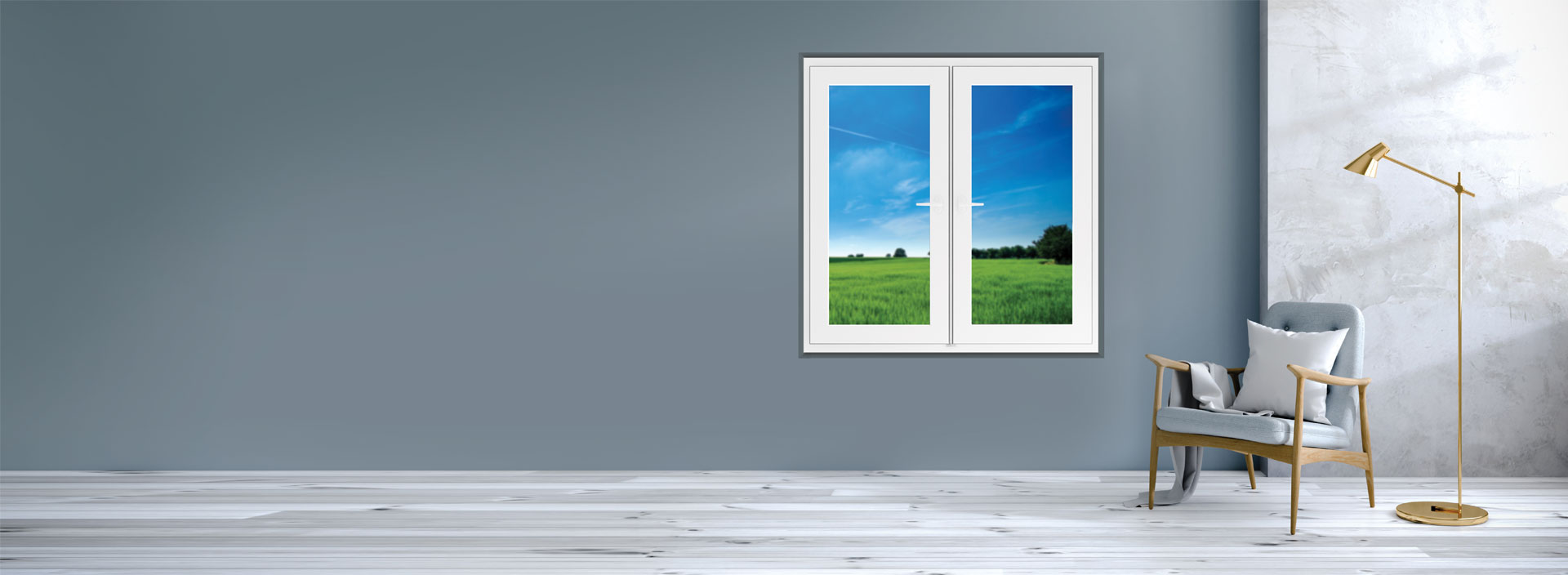
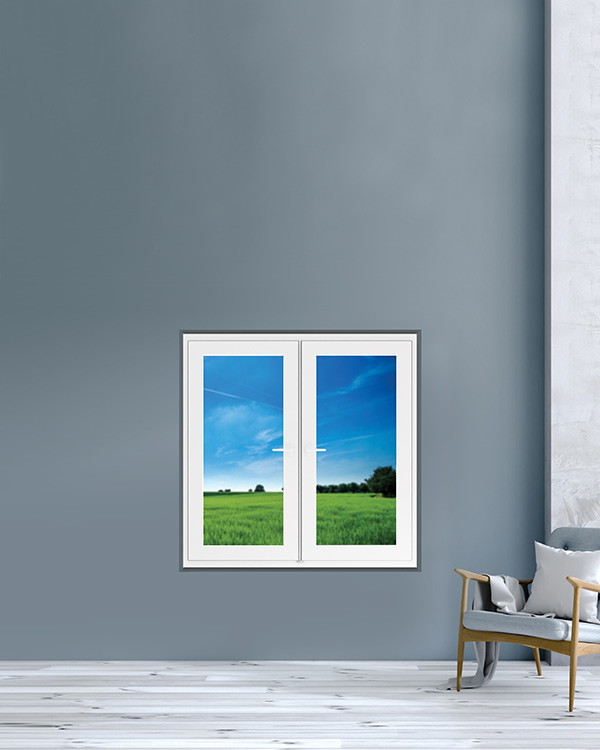
A uPVC casement window is one of the most commonly used window styles in modern homes. It opens outward using hinges fixed to the side of the frame, allowing the window to open wide for ventilation and natural light. This design makes casement windows practical and easy to operate in everyday use.
Many homeowners prefer casement window designs because they provide excellent airflow and a clear outside view. The strong uPVC frame is durable and resistant to weather conditions. It does not rust, warp, or require frequent maintenance.
These windows are also available as casement windows with grills, which provide additional safety without blocking ventilation. Because of their durability, insulation, and simple operation, uPVC casement windows are widely used in bedrooms, kitchens, living rooms, and balconies.
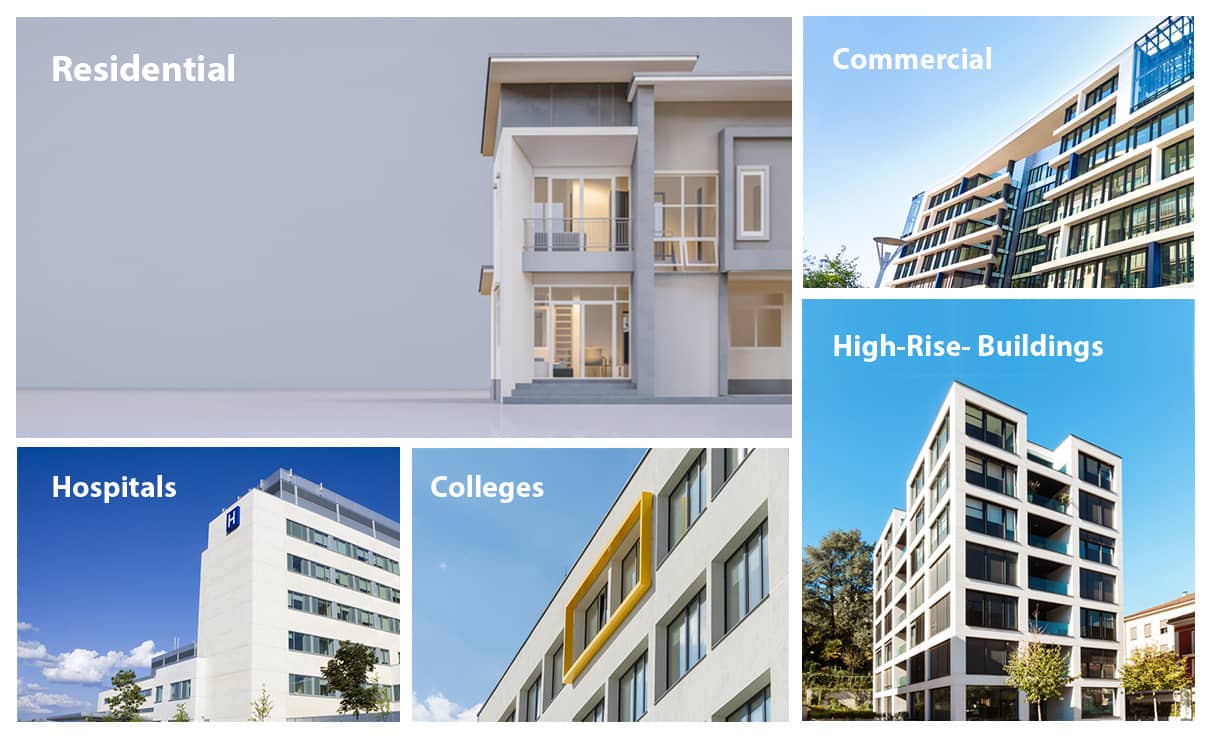
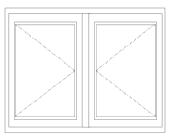
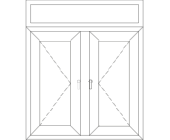

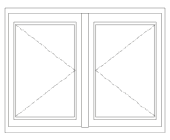
uPVC casement windows can be installed in different parts of a home where ventilation and natural light are important. Homeowners can place these windows in the following places:
Bedrooms – Provide fresh air and natural light while helping maintain privacy and comfort.
Kitchens – Allow cooking heat and smoke to escape the kitchen easily, while improving ventilation in the space.
Bathrooms – Offers free flow of air while maintaining privacy and helping reduce humidity.
Living Rooms / Lounges – Improve natural lighting in the rooms and enhance the overall appearance of the interior.
Balconies / Terraces – Allow wider openings for fresh air and wide outdoor views.
Casement windows are a popular choice because they provide excellent ventilation and natural lighting. When opened fully, the window allows fresh air to enter the room easily, which helps improve indoor comfort.
A uPVC casement window is also known for its durability. The uPVC material is resistant to weather conditions and does not rust or warp. This makes the window suitable for long-term use with minimal maintenance.
Another advantage is insulation. These windows help reduce outside noise and prevent excess heat from entering the room. With many casement window designs available, homeowners can select styles that match both modern and traditional home architecture.
A uPVC casement window is a window that opens outward with hinges fixed to the side of the frame. This design allows the window to open wide, letting in fresh air and natural light, which makes it suitable for many homes.
uPVC casement windows provide good ventilation and allow plenty of natural light to enter the room. The uPVC material is strong, weather-resistant, and needs very little maintenance. These windows also help reduce outside noise and improve comfort indoors.
Double or triple-glazed windows use two or three layers of glass separated by air or gas. This design helps reduce outside noise, improve insulation, and maintain a comfortable temperature inside the home during different seasons.
High-quality uPVC casement windows can last many years when installed properly. The material is resistant to moisture, sunlight, and weather changes. With regular cleaning and basic maintenance, these windows can continue to function well for a long time.
The cost of a uPVC casement window depends on factors such as window size, glass type, frame colour, and customization options. Larger windows or special glass features may increase the overall price.
uPVC casement windows are commonly installed in bedrooms, kitchens, living rooms, and balconies. These areas benefit from natural light and fresh air, and the window design allows the space to stay bright and well-ventilated.
Yes, uPVC casement windows can be more energy efficient because they close tightly against the frame. This helps reduce air leakage and improve insulation, which helps keep indoor spaces comfortable.
Different uPVC casement window designs are available, such as single-sash, double-sash, and casement windows with grills. Homeowners can choose the design that best suits their ventilation needs, safety requirements, and home style.
Several factors can affect the price of casement windows. These include window size, glass type, frame finish, hardware quality, and installation costs. Custom designs and additional features may also increase the total price.